



Your skin — upgraded.
Award-winning injectables, skin, hair loss and anti-wrinkle treatments in Manchester's Northern Quarter. Subtle, natural results — never overdone. Est. 2019 by Doctor Tina Bani .
Ready to Begin?
Let our doctor-led team design a bespoke plan entirely around you.
"Results that look completely like me — just refreshed."
Sara · Skiin Client
Your skin — upgraded.
Award-winning injectables, skin, hair loss and anti-wrinkle treatments in Manchester's Northern Quarter. Subtle, natural results — never overdone. Est. 2019 by Doctor Tina Bani .

Doctor Tina Bani on under-eye regeneration
Under-Eye Concerns · Manchester
Feeling personally victimised by your dark circles? You're not alone — the under-eye area is one of the most common concerns we treat. Doctor-led dark circles treatment in Manchester that starts with diagnosing your cause — pigmentation, thin skin or volume loss — because the right treatment depends entirely on which one is yours.
Cause Diagnosed First
Pigmentation, thin skin or shadowing
Polynucleotides (PDRN)
Regenerates thin under-eye skin
Tear Trough Filler
For volume-deficiency shadowing
Doctor-Administered
Delicate area, qualified hands only
The Skiin Approach
Dark circles are the most misdiagnosed concern in aesthetics. Three patients with identical looking darkness in the mirror can have three completely different causes: pigmented dark circles (melanin in the skin), thin under-eye skin revealing vessels and muscle beneath, or pure shadowing from volume loss in the tear trough.
Each cause has a genuinely different answer. Pigmentation responds to brightening, regenerative treatment. Thin skin strengthens with cellular regeneration. Shadowing needs volume — and none of the three are fixed by eye cream, however expensive.
At Skiin, your doctor examines the under-eye area properly before recommending anything — then builds a plan that may combine polynucleotides to regenerate skin quality, dermal filler where volume is the issue, and prescription skincare to support the result at home.
The Result
The right treatment for your cause — the change reads as well-rested, never as 'had something done'.
Real Results
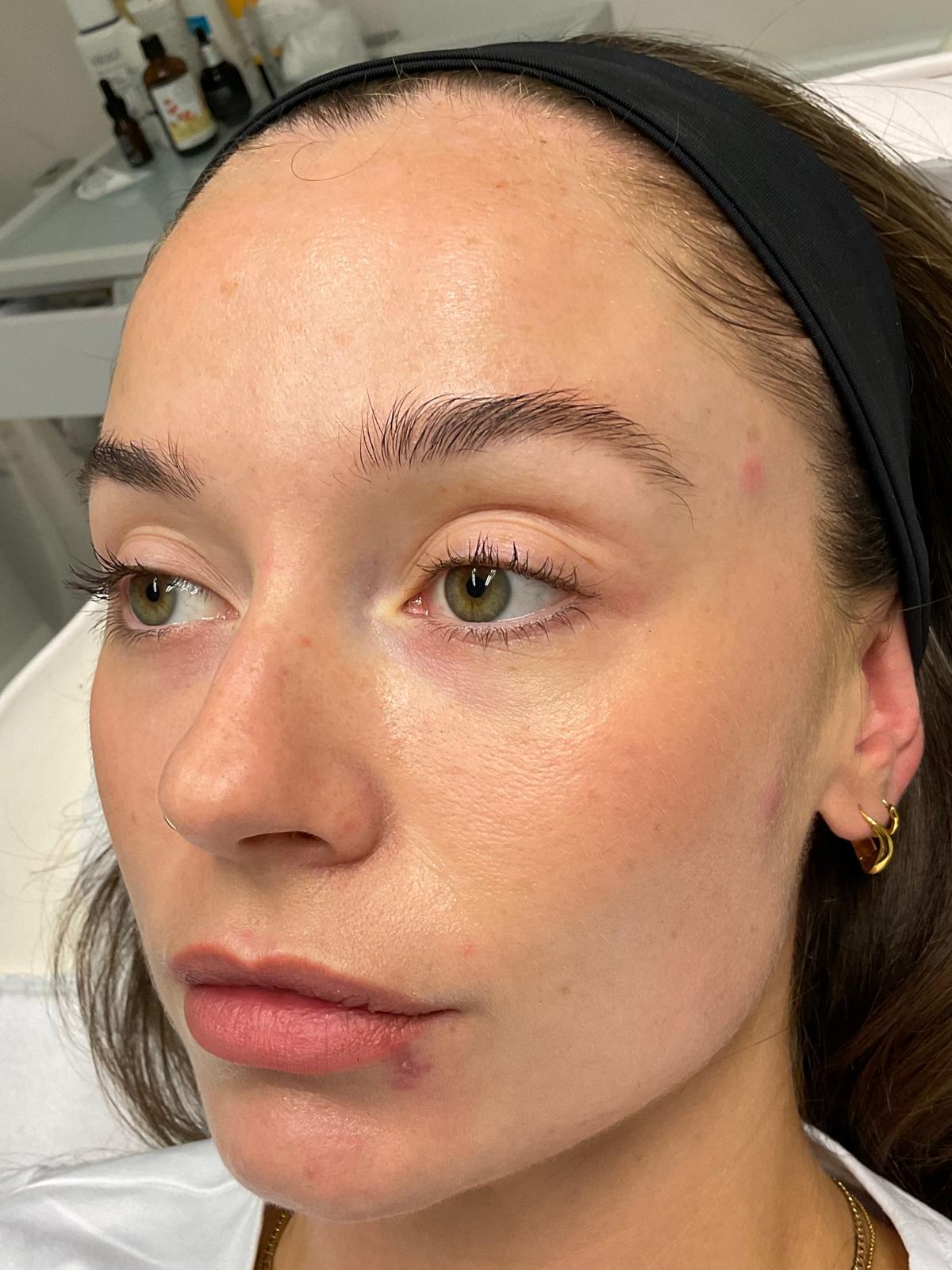
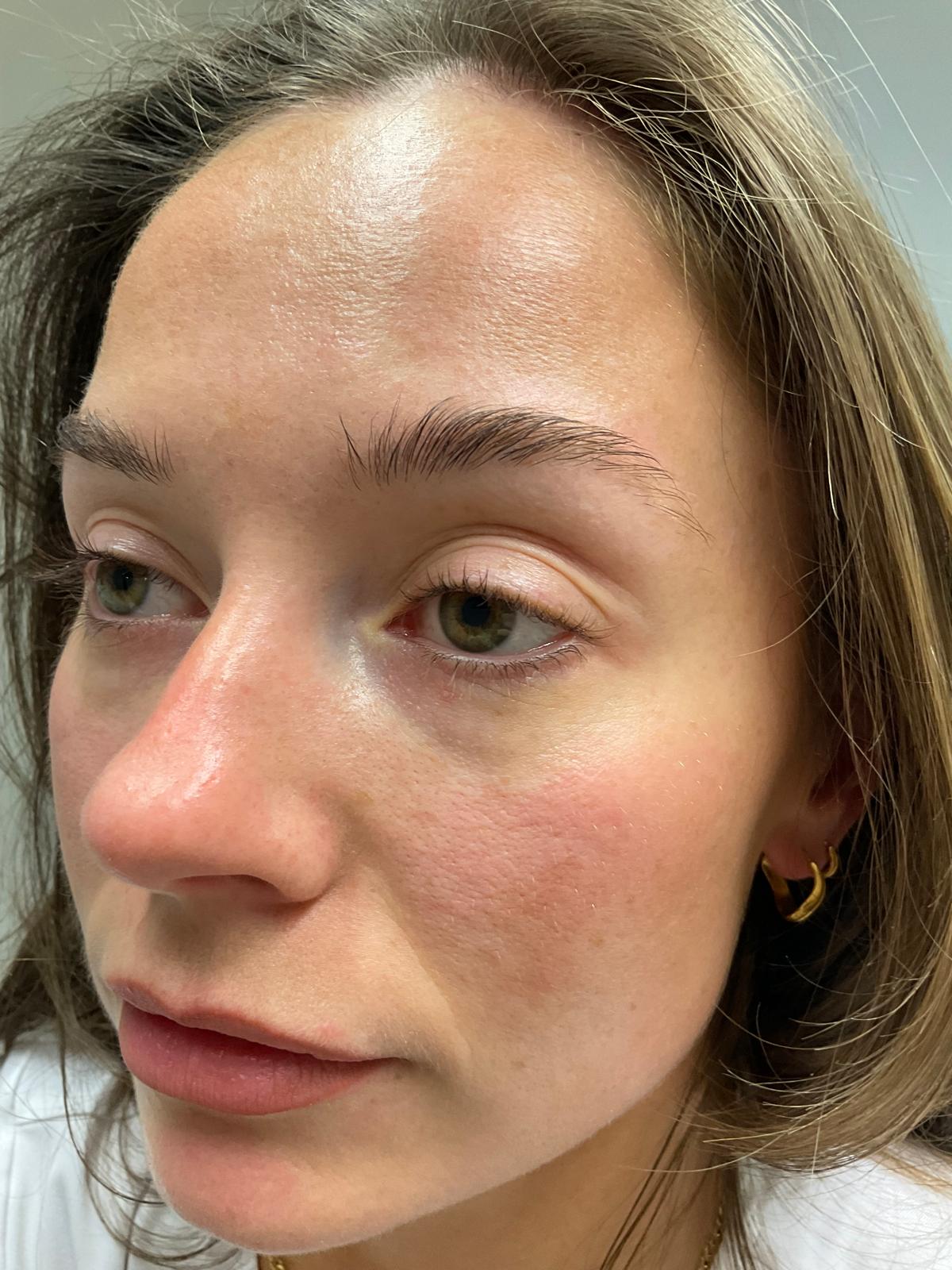
PDRN regenerates the delicate under-eye area from within. Drag the slider to compare.
Treatment Routes
The regenerative route for pigmented dark circles and thin, crepey under-eye skin — intensive antioxidant and brightening effects that rebuild skin quality over a course of 3 sessions.
The structural route when shadowing comes from volume deficiency — precise dermal filler restores the transition between cheek and under-eye, softening the darkness safely in a doctor's hands.
For many patients the most complete answer is both: filler restores the lost shape while polynucleotides regenerate the skin covering it. Your doctor designs the sequence.
The supporting route at home — vitamin C, kojic acid and retinoid-based products strengthen and brighten between sessions, prescribed rather than guessed.
The Journey
Week 0
Doctor's assessment
Your doctor examines the under-eye area, identifies your cause — pigmentation, thin skin or volume loss — and prescribes your personalised plan.
Session 1
Treatment begins
Micro-injections of PDRN across the under-eye area (or precisely placed filler, if volume is the cause). A 20–30 minute session with mild, brief redness.
Week 2–8
The course builds
Sessions 2 and 3 complete the polynucleotide course. Firmness emerges, texture refines and the under-eye area brightens progressively.
Ongoing
Maintain the brightness
A single maintenance session every 3–6 months, with prescribed home skincare protecting the result.
Suitability
Dark circles that no amount of concealer or sleep seems to fix
Shadows or hollows under the eyes that make you look constantly tired
Thin, crepey under-eye skin you can see ageing faster than the rest of your face
You want a refreshed, natural look — never overfilled or puffy
You'd like a doctor to identify which type of dark circles you have — pigment, hollows or both
Related Treatments
Under-eye rejuvenation pairs beautifully with skin boosters for full-face hydration and full face rejuvenation for a complete refresh.
FAQs
Several very different things — and that's the trap. Dark circles can be genuine pigmentation (common in deeper skin tones and with sun exposure), thin under-eye skin letting the muscle and vessels show through, or simply shadowing caused by volume loss in the tear trough. Genetics, ethnicity, sleep and allergies all play a part. The right treatment depends entirely on which cause is yours — which is why a doctor diagnoses it first.
Eye creams containing vitamin C, kojic acid and retinoids genuinely help brighten pigmentation and strengthen thin skin over time — but for most people, topical products alone can't reach the root of the problem. Think of skincare as the supporting act and in-clinic treatment as the lead. Your doctor will tell you honestly which category you're in.
Polynucleotides (PDRN) are purified DNA fragments that regenerate the skin at a cellular level. For the under-eye area they're one of the best treatments available — their intensive antioxidant and brightening effects regenerate the thin under-eye skin, so it looks smoother, firmer and naturally brighter over a course of treatment. It's regeneration, not concealer.
It depends on the cause. If the darkness is actually shadowing from volume deficiency in the tear trough, dermal filler provides the improvement — and it's one of the most satisfying treatments in aesthetics when correctly diagnosed. If the darkness is pigmentation or thin skin, filler won't help, and polynucleotides are the better route. The two are often combined for the most complete result.
Polynucleotide treatment is a course of 3 sessions spaced 2–4 weeks apart, with maintenance every 3–6 months. Results are cumulative — the under-eye area brightens progressively as cellular regeneration builds.
The under-eye area is delicate, which is exactly why it belongs with a doctor. Treatments use premium pharmaceutical-grade products, administered by our qualified doctors with techniques refined for periorbital skin. Side effects are typically limited to mild, brief redness or swelling at the injection points.
Cost depends on the treatment your doctor recommends — polynucleotide courses, tear trough filler or a combined plan are priced individually and discussed transparently at consultation before you commit to anything.