
LaseMD Ultra · the glass skin laser
Glass skin in clinic · Skiin
Korean Skin Quality · Doctor-Led · Manchester
Glass skin in Manchester
Glass skin — the Korean beauty ideal of smooth, hydrated, even, light-reflecting skin — isn't one treatment. It's a plan. At Skiin, an aesthetic doctor builds your personalised skin-quality plan, inspired by the Korean focus on consistency, hydration and skin health, and adapted to your skin.
Doctor-Led Planning
Never one-size-fits-all
LaseMD Ultra Led
Our lead glass skin treatment
Staged & Cumulative
Built to last, not a quick fix
Honest Advice
No overpromising, ever
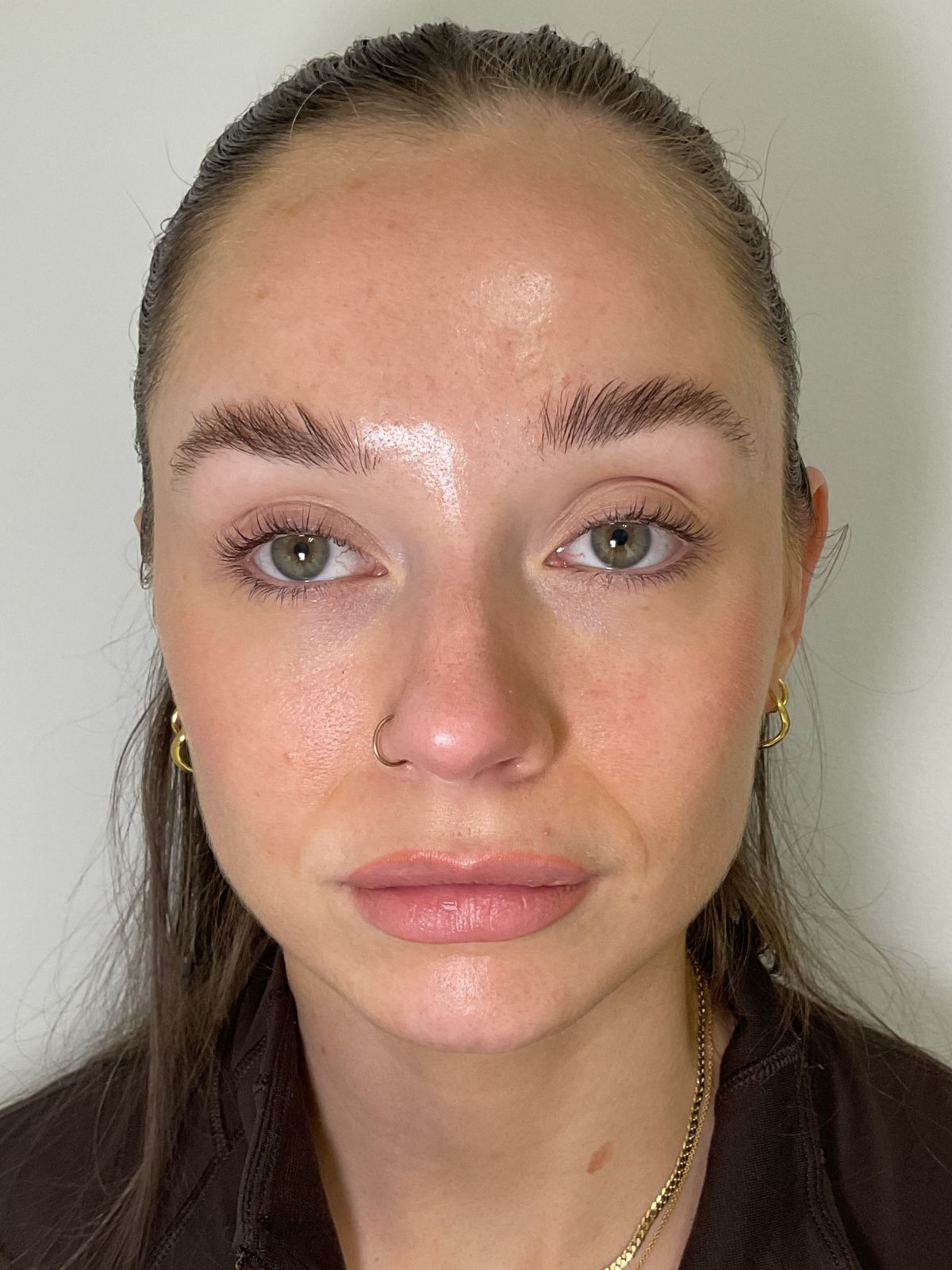
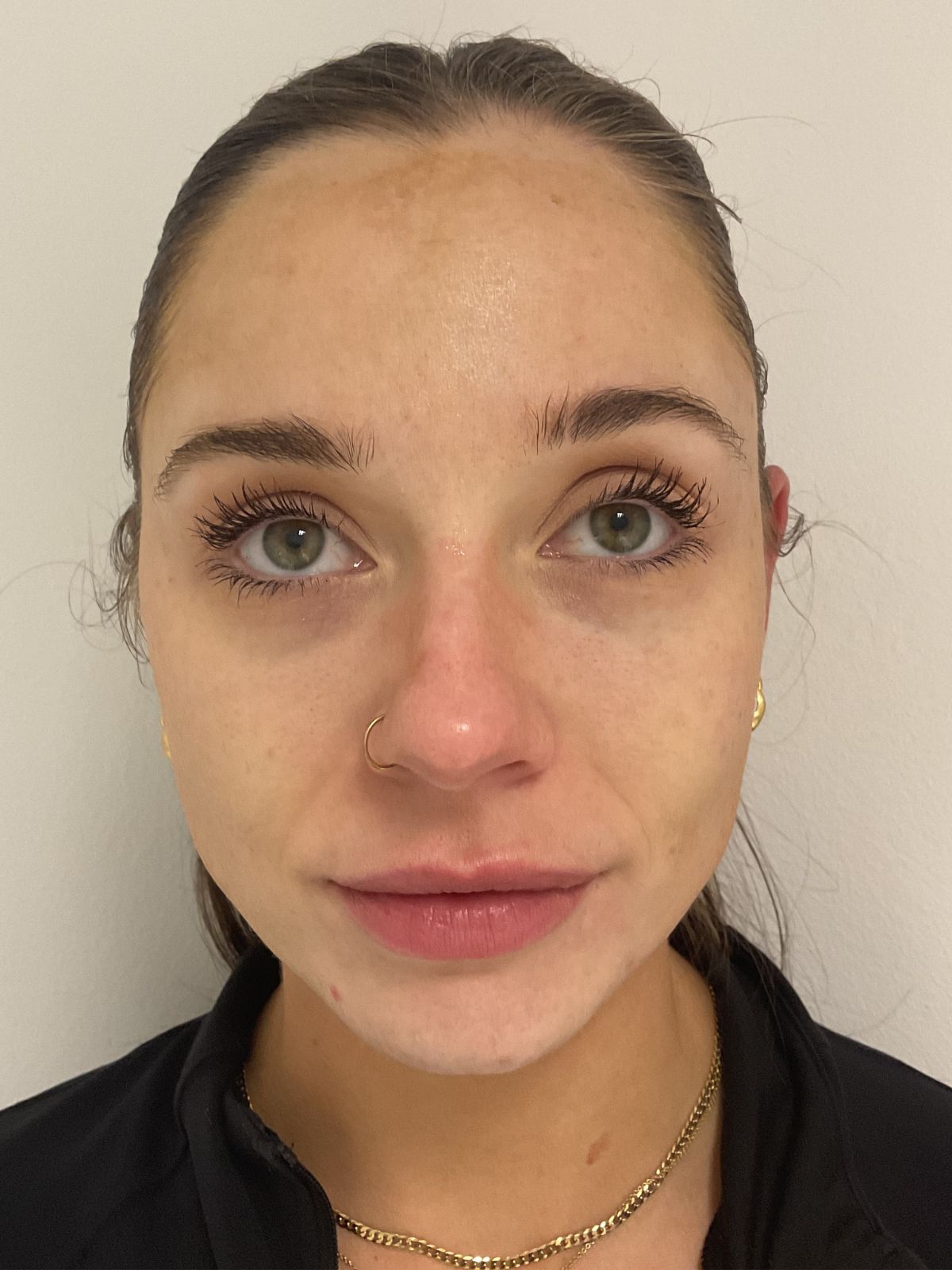
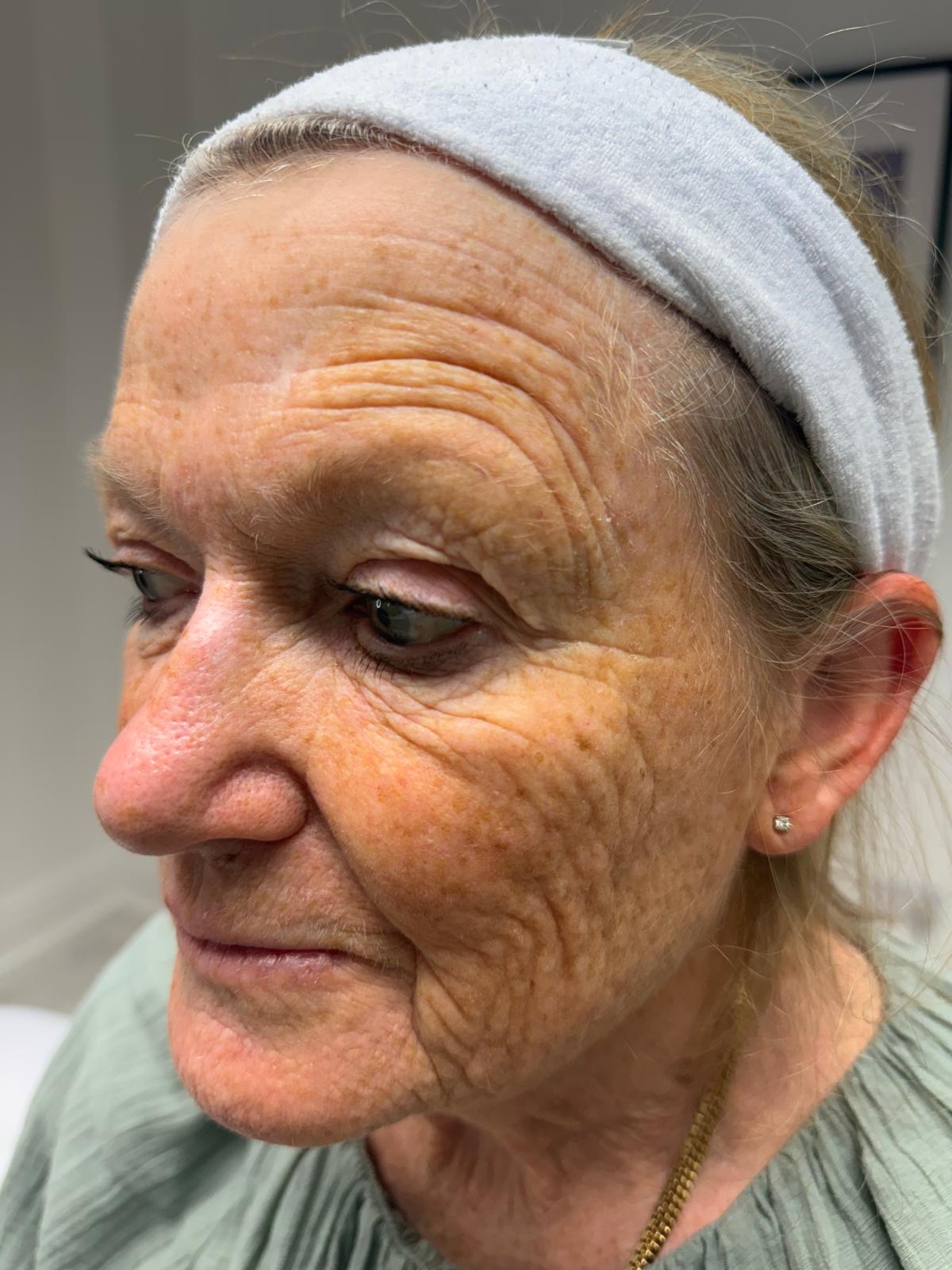
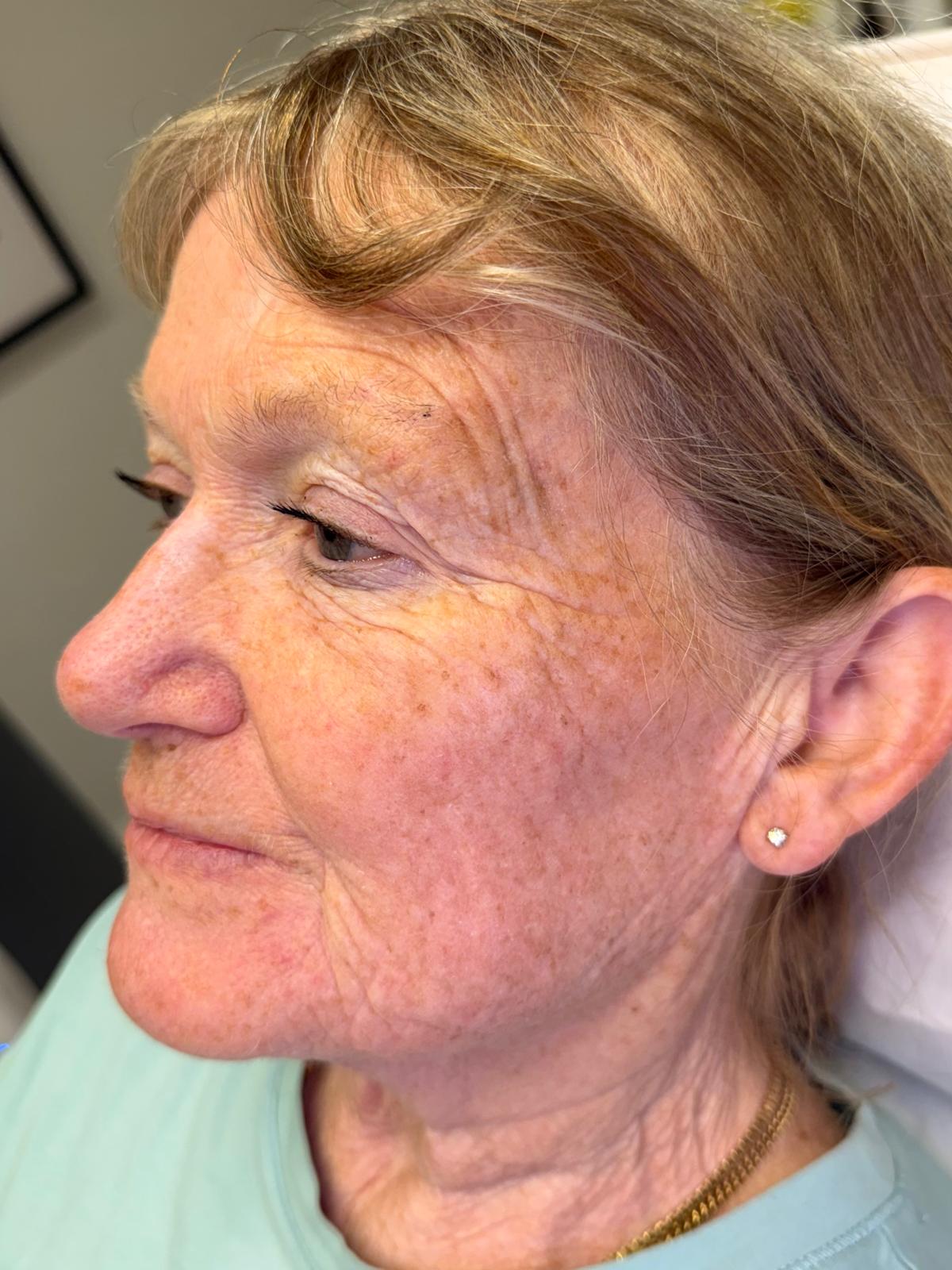
Real Results
Drag to reveal the clarity
Real Skiin patient results from LaseMD Ultra — our lead treatment for tone, texture and luminosity. Drag the sliders to compare.
What Glass Skin Actually Is
An aspiration, not a procedure
Glass skin originated in South Korea, where the beauty culture has always been less about correction and more about consistency — daily hydration, relentless sun protection and a healthy skin barrier, maintained over years. The look it describes is skin that is smooth, deeply hydrated, even in tone and reflective of light.
What that means clinically is simply healthy skin — a well-functioning barrier, good hydration within the skin, refined texture, and tone that is as even as your own skin can realistically be. The same search that brings people here can represent dullness, visible pores, uneven texture, pigmentation, acne marks, dehydration, fine lines or early laxity — and each of those is a different clinical conversation.
That's why we don't sell "glass skin" as a single treatment. Your doctor assesses your skin type, medical history, pigmentation risk, downtime tolerance and clinical suitability, and then designs the plan your skin actually needs — usually led by LaseMD Ultra, supported by the right combination for you.
The Philosophy
The Skiin Approach
- A personalised plan, built by a doctor — never a fixed package
- Inspired by Korean consistency, hydration and skin health
- Adapted to your skin type, history and pigmentation risk
- Staged over months so results build cumulatively
- Barrier health and SPF treated as the foundation
- Honest about what is and isn't achievable
Real skin has texture and pores. Glass skin, done properly, looks like the healthiest version of your own skin — luminous, smooth and yours.
The Toolkit
How your doctor chooses
LaseMD Ultra
Our lead treatment for glass skin. A fractional thulium laser that resurfaces tone, pigmentation and texture with minimal downtime — the closest single treatment to that light-reflecting finish.
SkinPen microneedling
Precision collagen induction for refined texture, acne marks and enlarged-looking pores — a gentle, restorative foundation treatment.
RF microneedling
Radio-frequency energy delivered deeper into the dermis, where it remodels collagen — chosen for laxity, scarring and more stubborn texture.
Chemical peels
A layered option for congestion, dullness and uneven tone — tailored in strength to your skin type and pigmentation risk.
LED therapy
A calming, supportive treatment often used alongside lasers and microneedling to support healing and reduce redness.
Profhilo
Bio-remodelling hyaluronic acid that improves hydration, firmness and skin quality across the whole face — the glow from within.
Skin boosters
Micro-injections of hyaluronic acid into the skin itself, restoring deep hydration and smoothness — the dewiness glass skin is known for.
Polynucleotides
Regenerative treatment particularly suited to fragile areas — under-eyes, neck and fine crepey texture — improving skin health at a cellular level.
Staged combination
For most patients, the real answer is a sequence — resurfacing, remodelling and hydration layered over months so each treatment builds on the last.
Built From the Root
Skin health as an investment
Korean skin culture understands something medicine keeps re-learning: the best results come from consistency and prevention, not correction. A glass skin plan works the same way an investment does — each stage compounds the last. We start at the root: a healthy barrier and daily SPF, because glowing skin cannot be built on inflamed or unprotected foundations. Then we stimulate the processes beneath the surface — laser resurfacing that prompts your skin to replace pigmented, damaged cells with fresh ones; microneedling that triggers collagen remodelling; hydrating injectables that restore moisture within the skin itself, where no cream can reach.
Nothing in the plan works overnight, and nothing works once. What it does is build — deliberately, over months, into skin that looks healthier because it is healthier. That is the point.
Your Plan
What to expect & when
Week 0
Doctor's assessment
Your skin is examined and your medical history, pigmentation risk, downtime tolerance and goals are discussed. Your plan is designed — sometimes the answer starts with barrier repair, not a laser.
Weeks 1–8
Foundation sessions
Core treatments begin — typically LaseMD Ultra resurfacing, spaced about four weeks apart, with microneedling or peels layered where your skin needs them.
Months 2–6
Building the layers
Hydration and regeneration stages — Profhilo, skin boosters or polynucleotides where indicated — so texture, tone and moisture deepen together.
Ongoing
Protect & maintain
Results are protected with medical-grade home skincare, daily SPF and maintenance sessions — typically once or twice yearly for resurfacing.
Suitability
Is a glass skin plan right for you?
You want brighter, smoother, more even-looking skin — not a trend-driven look
Dullness, dehydration or a loss of that healthy luminosity
Uneven texture, visible pores or acne marks that bother you
Pigmentation, sun damage or tone that has become uneven
Fine lines or early laxity you'd like addressed from the root
You're able to commit to a staged plan and daily SPF
Our Position
What glass skin isn't
We will never promise you perfect Korean skin, flawless skin, erased pores, cured pigmentation, permanent glass skin, or Korean skin after one treatment. Those promises belong to marketing, not medicine. Every skin has its own texture, its own tone and its own history — and the most beautiful result is the healthiest, most luminous version of yours.
If a plan isn't right for your skin, we'll say so. Sometimes the most valuable thing a doctor can prescribe is a good skincare routine and time.
Explore Further
Treatments that build it
Your plan draws on LaseMD Ultra, SkinPen microneedling, RF microneedling, chemical peels, Profhilo, skin boosters and polynucleotides — selected by your doctor, in the order your skin needs them.
FAQs
Glass Skin Manchester questions