



Your skin — upgraded.
Award-winning injectables, skin, hair loss and anti-wrinkle treatments in Manchester's Northern Quarter. Subtle, natural results — never overdone. Est. 2019 by Doctor Tina Bani .
Ready to Begin?
Let our doctor-led team design a bespoke plan entirely around you.
"Results that look completely like me — just refreshed."
Sara · Skiin Client
Your skin — upgraded.
Award-winning injectables, skin, hair loss and anti-wrinkle treatments in Manchester's Northern Quarter. Subtle, natural results — never overdone. Est. 2019 by Doctor Tina Bani .

Doctor Tina Bani on laser resurfacing for pigmentation
Pigmentation & Dark Spots · Manchester
Doctor-led pigmentation treatment in Manchester — melasma, sun damage, dark spots and post-acne marks diagnosed by a doctor and treated with LaseMD Ultra laser, medical-grade peels and prescription skincare. A plan built around your skin's cause, not a protocol.
Doctor-Led Diagnosis
Your pigmentation type identified first
LaseMD Ultra Laser
Our doctor's choice for melasma & sun damage
Medical-Grade Peels
Layered into your plan where appropriate
Prescription Skincare
Home care that reaches the problem
The Skiin Approach
Pigmentation isn't one condition — it's several. Sun damage sits in the superficial layers and responds quickly. Melasma is hormone-driven, lives deeper and flares with heat. Post-inflammatory marks from acne behave differently again. Treating them all the same way is why so many people see pigmentation return — or worsen.
That's why at Skiin your pigmentation is diagnosed by a doctor before anything touches your skin. Your doctor identifies the type, depth and trigger, then builds a plan combining LaseMD Ultra laser — our doctor's choice for its unique drug-delivery advantage — with medical-grade peels and prescription skincare.
For acne-related marks, your doctor may pair pigmentation treatment with microneedling to address scarring and texture at the same time — because pigment and texture usually travel together.
The Result
Pigmentation is managed medically — the result reads as naturally clearer skin, never as 'treated'.
Real Results
LaseMD Ultra clears pigmentation and rebuilds even, luminous tone. Drag the slider to compare.
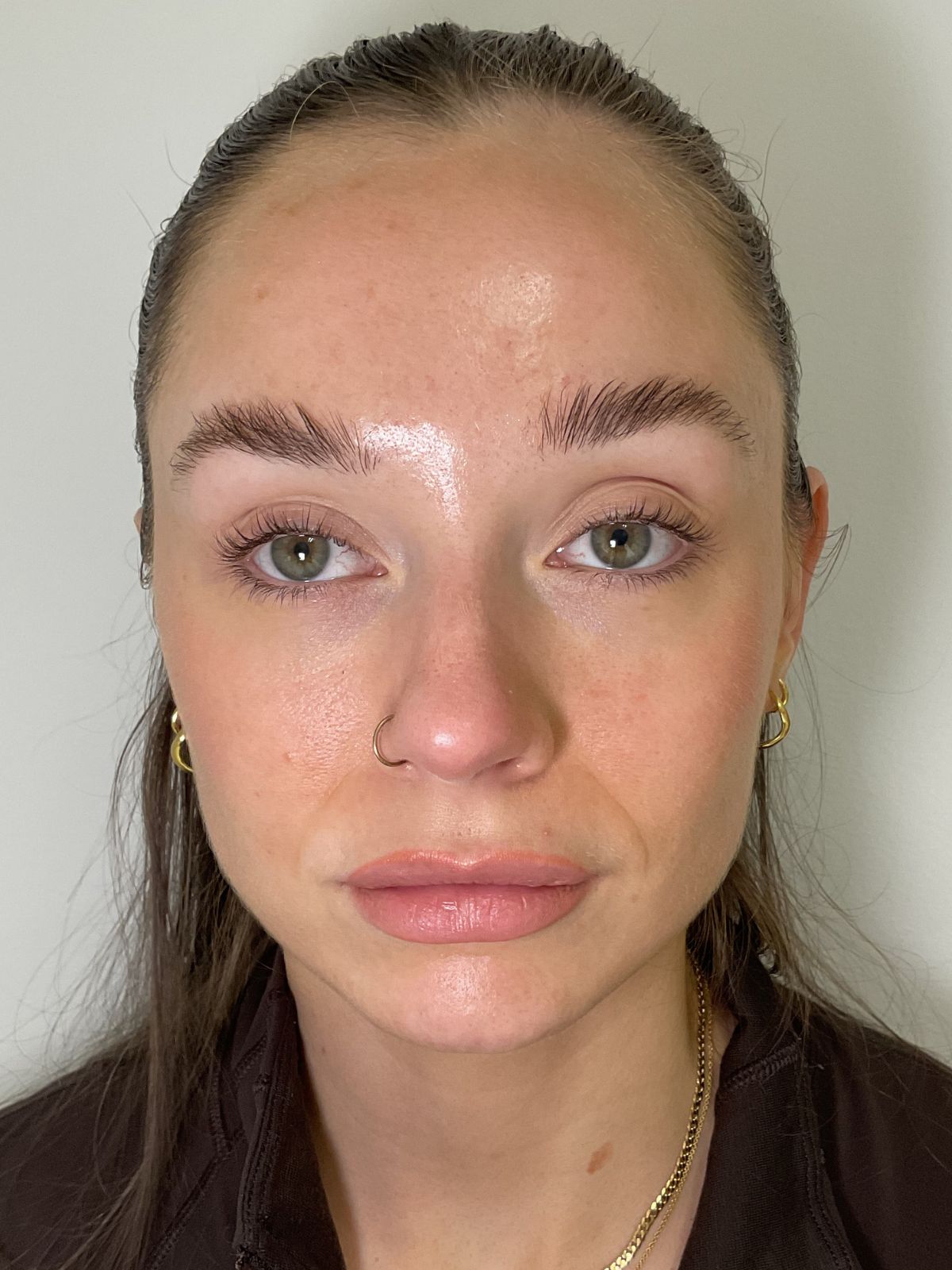
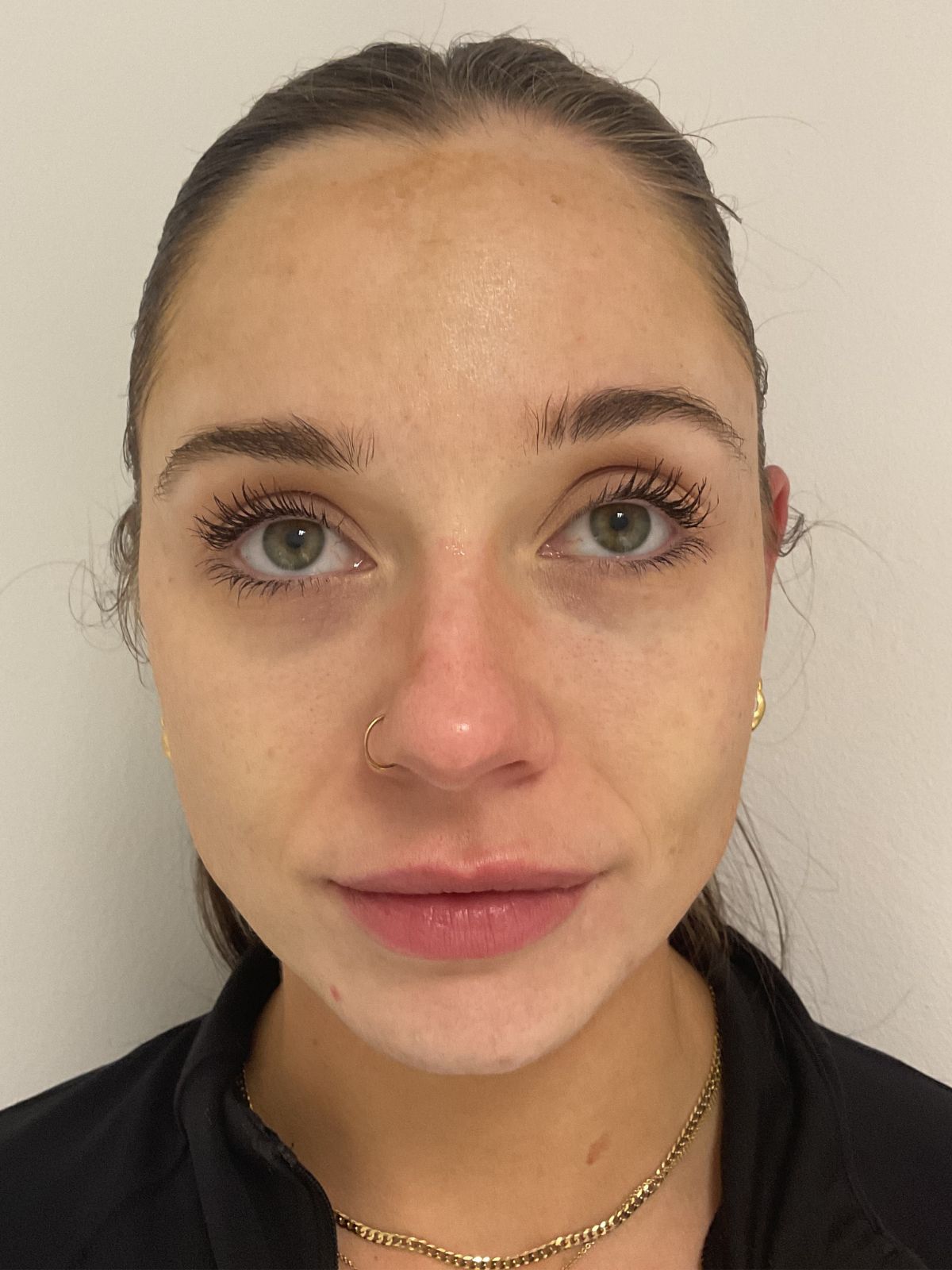
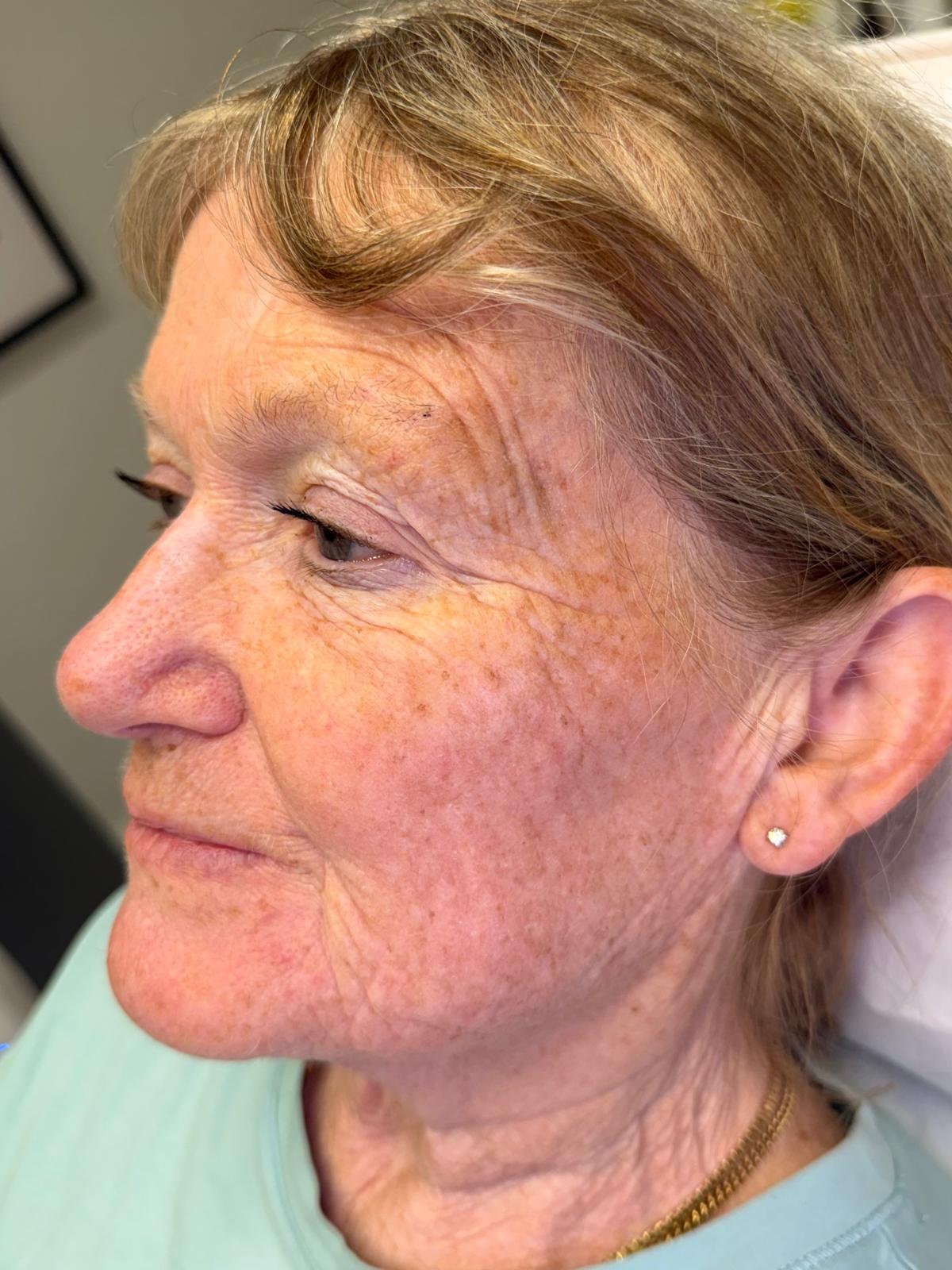
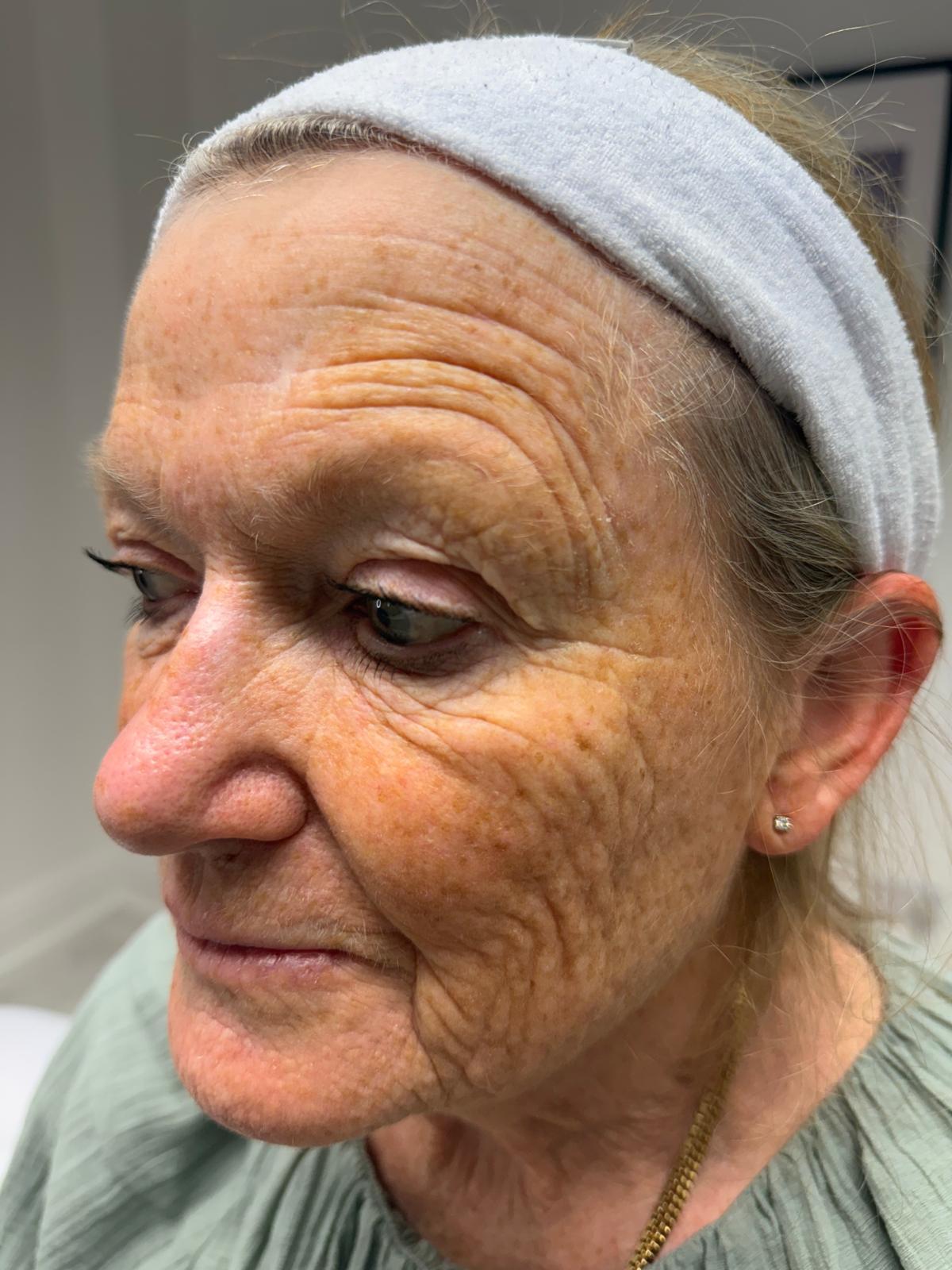
What We Treat
Years of UV exposure leaving dark spots, freckling and uneven tone on the face, neck, chest and hands. Responds excellently to LaseMD Ultra laser resurfacing.
Symmetrical brown patches on cheeks, forehead and upper lip, driven by hormones and triggered by sun and heat. Needs a careful, medically-led plan — aggressive treatment can make it worse.
Dark marks left behind by acne, eczema or skin trauma — common in deeper skin tones. Treated alongside the underlying breakouts for lasting results.
General patchiness and loss of luminosity — the earliest visible sign of sun damage. Often resolved with a single course and maintained with home skincare.
The Journey
Week 0
Doctor's assessment
Your doctor identifies your pigmentation type, depth and triggers, examines your skin in full, and prescribes your personalised plan.
Session 1
First treatment
LaseMD Ultra resurfacing with topical anaesthetic — a 15–30 minute session. Prescription skincare begins at home the same week.
Week 4–12
The Course
3–4 laser sessions spaced 4 weeks apart, with peels or microneedling layered in as your skin tolerates. Pigment fades progressively between sessions.
Ongoing
Protect & maintain
Daily mineral SPF and medical-grade home care protect the result, with maintenance sessions as your doctor recommends.
Suitability
You've noticed sunspots, freckles or patchy tone becoming more visible
Melasma or hormonal pigment that darkens with sun, heat or pregnancy
Post-inflammatory marks left behind by spots or old breakouts
You want your pigment type diagnosed by a doctor first — treatment differs by type
You can commit to daily SPF — the non-negotiable part of every pigmentation plan
You have a deeper skin tone and want treatment planned around your pigmentation risk
Related Treatments
Pigmentation treatment pairs beautifully with chemical peels, microneedling and skin boosters for hydration. Explore the full skin rejuvenation programme.
FAQs
Pigmentation is the result of melanin — the pigment your skin produces — being overproduced or unevenly distributed. The main triggers are sun exposure and heat, hormonal changes (the driver behind melasma), inflammation such as acne or eczema, genetics and certain medications. Because the causes differ, a doctor's diagnosis of your pigmentation type comes before any treatment.
Melasma is one of the most stubborn forms of pigmentation because it is hormone-driven and flares with sun and heat. It responds best to a medically-led plan — LaseMD Ultra is our doctor's choice for melasma because its ultra-light laser channels allow topical brightening agents to be delivered directly into the skin, while traditional peels alone often struggle or cause rebound darkening. Prescription skincare and strict sun protection complete the plan.
A typical course is 3–4 LaseMD Ultra sessions spaced 4 weeks apart, with chemical peels or microneedling layered in where your doctor recommends. Some pigmentation fades significantly after a single course; deeper or long-standing pigmentation takes longer. Maintenance sessions protect the result.
LaseMD Ultra is known as the 'lunchtime' laser — expect mild redness and light flaking or bronzing for 2–5 days, with most patients back to normal activities the next day. Mineral SPF is essential while the skin renews.
Melanocytes have a memory — sun exposure and heat can re-trigger pigmentation, especially with melasma. That's why your plan includes daily mineral SPF, smart sun habits and maintenance treatments. Pigmentation is managed, not magically erased — but managed well, the results last.
Treatment is priced per session or as a course, depending on the plan your doctor prescribes. Everything is discussed transparently at your consultation before you commit.
A genuine supporting role exists for home skincare — vitamin C, kojic acid, retinoids and prescription-strength brightening products all help, alongside daily mineral SPF which is non-negotiable. At Skiin your doctor prescribes medical-grade products that actually reach the problem, rather than beauty-counter guesses.
For sun damage and dark spots, LaseMD Ultra laser resurfacing is the most effective single treatment — its energy is absorbed by pigment, which then sheds naturally while the resurfacing effect evens overall tone. Chemical peels and medical microneedling are layered in where texture needs work too. Hormone-driven melasma needs a more careful doctor-led plan: lower-energy laser settings combined with prescription brightening agents and strict SPF — aggressive treatment can make melasma worse. The 'best' treatment depends on which pigmentation you actually have, which is why diagnosis comes before treatment.