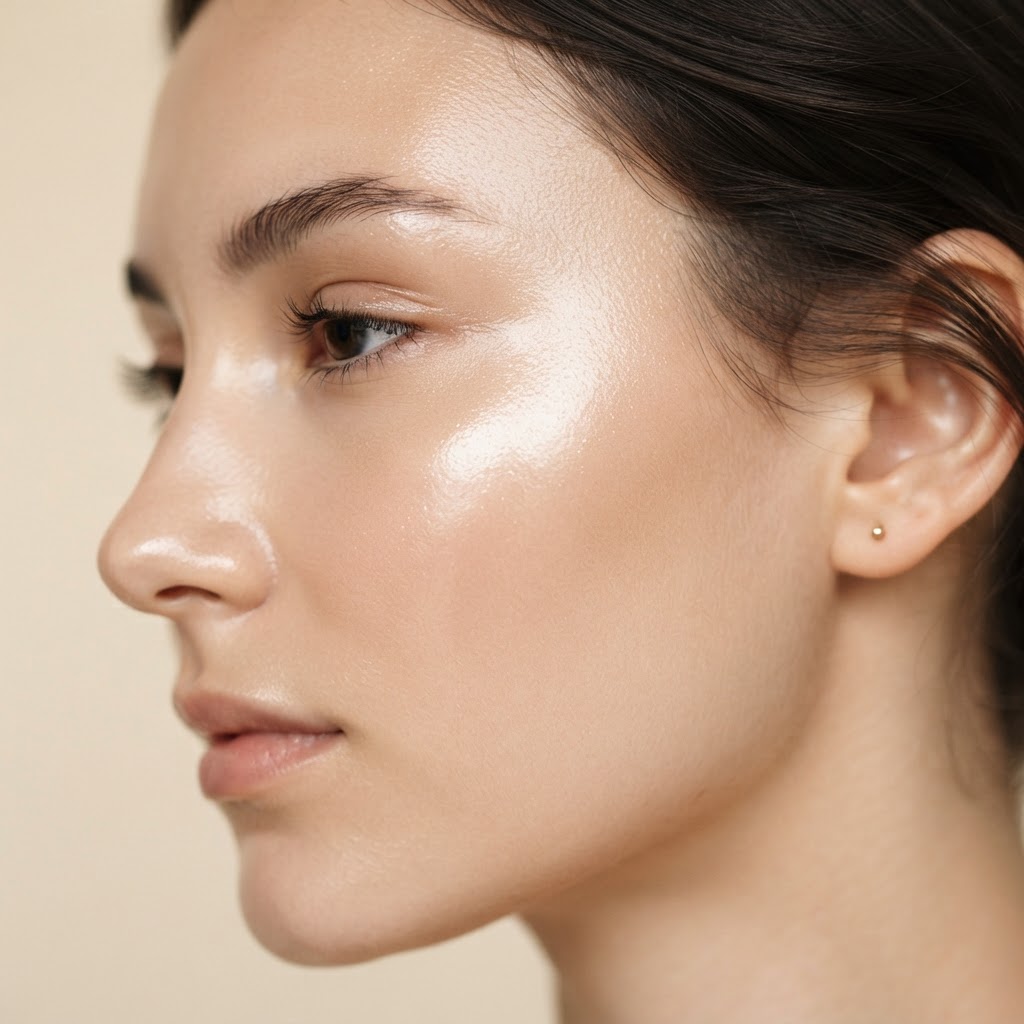



Every week in the Skiin consultation room, someone asks a version of the same question: "I've read about LaseMD, Morpheus8, Moxi, Fraxel and IPL — which one do I actually need?" It's a fair question, because these are the five names that dominate every "best laser for skin" search result. But here's the honest truth from a doctor's chair: they are not five versions of the same thing. Some are lasers, one is not a laser at all, and one is not even the same category of treatment. Let me walk you through what each one really does, so you can have an informed conversation at your consultation instead of a confusing one.
LaseMD vs Morpheus8: not actually rivals
These two get compared constantly, but they work in completely different layers of the skin. LaseMD Ultra is a fractional thulium laser — it renews the surface layers of the skin, refining tone, texture and pigmentation. Morpheus8 is radiofrequency microneedling — it drives heat into the deeper layers to firm and remodel from below.
So the honest comparison isn't "which is better" — it's "which layer of the skin are we treating today?" At Skiin we don't offer Morpheus8 itself; where deep remodelling would help, I use a gentler RF microneedling system that achieves the tightening and scar-smoothing goals with a more comfortable experience. We go into much more detail in our full LaseMD vs Morpheus8 comparison.
And if your skin would benefit from both surface renewal and deep collagen renewal, the two can be layered a few weeks apart in one plan — we call this the resurfacing duo.
LaseMD Ultra vs Moxi: the friendly rivals
Now here's a comparison that genuinely is like-for-like: LaseMD Ultra and Moxi are both non-ablative fractional lasers, both are designed to be gentle, and both aim for that lit-from-within finish with minimal downtime. We offer both at Skiin, and I choose between them based on the skin in front of me.
LaseMD Ultra uses a 1927nm thulium wavelength. Its signature is serum-delivery — the laser creates microscopic channels that let bespoke medical serums absorb deep into the skin while it renews. It's exceptionally good for stubborn pigmentation, dullness and rough texture, and it's the treatment behind much of the "glass skin" glow our Manchester patients ask for.
Moxi uses a 1550nm wavelength and takes a "little and often" approach — gentle sessions that refresh and maintain, which is why it's often called a prejuvenation laser. At Skiin it pairs beautifully with BBL light treatment, where Moxi refines texture and BBL targets redness and sun damage.
The doctor's honest take: if pigment and glow are the priority, I usually reach for LaseMD Ultra. If the goal is all-over refreshment and maintenance — or redness is part of the picture — the Moxi and BBL combination often wins. Many patients alternate both across the year.
Fraxel vs LaseMD Ultra: the original and the evolution
Fraxel is the grandfather of fractional resurfacing — the technology that proved you could renew skin without full-surface ablative lasers. It's a fine treatment with a strong evidence base. So why does Skiin use LaseMD Ultra instead of the Fraxel restore systems?
In practice, it comes down to downtime and comfort. Traditional Fraxel treatments typically run hotter, which can mean more pronounced redness, several days of swelling and a longer social recovery — a real cost for Manchester professionals who can't disappear for a week. LaseMD Ultra achieves comparable collagen renewal with a gentler thermal profile, so most people are back to normal life the next day with light makeup, moving through a brief "sandpaper" texture phase as fresh skin comes through. For my patients, that trade — similar collagen renewal, a fraction of the disruption — is usually decisive.
LaseMD vs IPL for pigmentation: a laser and a lamp
This is the comparison where terminology really matters, because IPL is not a laser. It's intense pulsed light — a broad band of wavelengths scattered across several targets at once, whereas LaseMD delivers one precise wavelength, fractionated into the skin.
IPL is genuinely good at broad-brush sun damage on lighter skin tones. But its scatter is also its limitation: less precision, weaker on texture, and it has to be used cautiously on deeper or hormonal pigmentation, where the wrong energy can provoke more pigment rather than less. LaseMD's fractional thulium energy is absorbed predictably by pigment and water, letting me treat uneven tone while simultaneously renewing texture — with a lower risk of post-inflammatory pigmentation, which is why it's one of my preferred tools for stubborn pigmentation in Manchester's wonderfully diverse population.
We do use light therapy at Skiin — but as BBL, the modern, physician-controlled successor to IPL, usually in tandem with Moxi. It's about the right tool for the right concern, not one machine for everything.
So which one is right for you?
Here's the answer nobody selling a single machine will give you: the right treatment depends on your skin, not the device's marketing. Pigmentation, texture, scarring, redness, laxity — each points to a different first choice, and only a proper face-to-face assessment can tell us which. That's why every Skiin plan starts with a consultation with a GMC-registered doctor, not a sales pitch.
If you're curious what a doctor-led plan for your skin would look like — whether that's LaseMD Ultra, the BBL and Moxi duo, or gentle RF microneedling — book a consultation and we'll build it together, honestly.
Individual experiences and results vary. Every treatment at Skiin follows a one-to-one doctor consultation.